AMORAP is Open
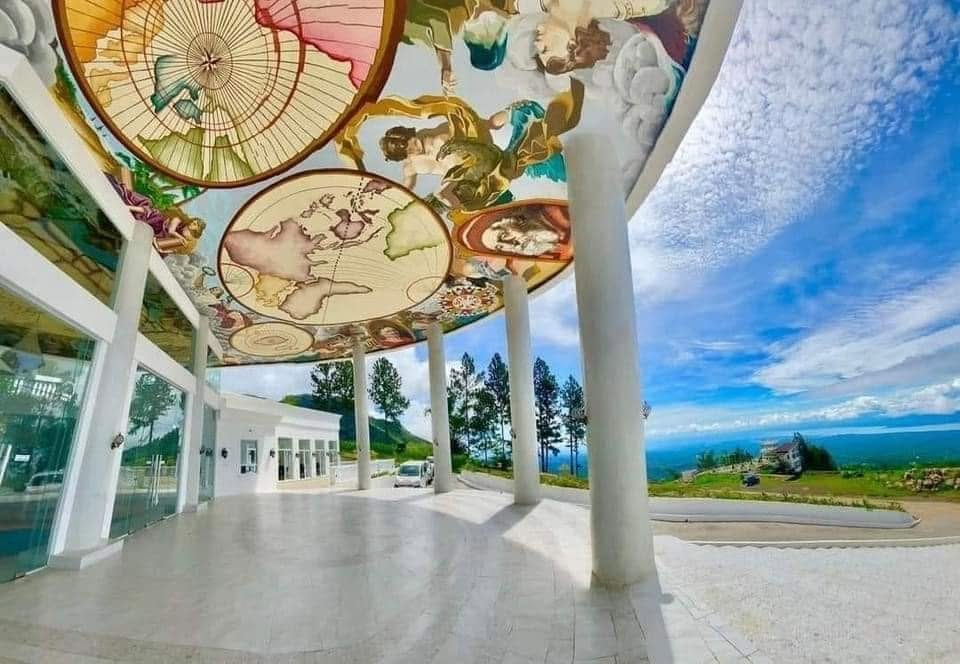
The Maldives-inspired Asenso Misamis Occidental Recreation and Adventure Park in Sinacaban. Forty-nine hectares of ocean villas, a golf course, diving and more.
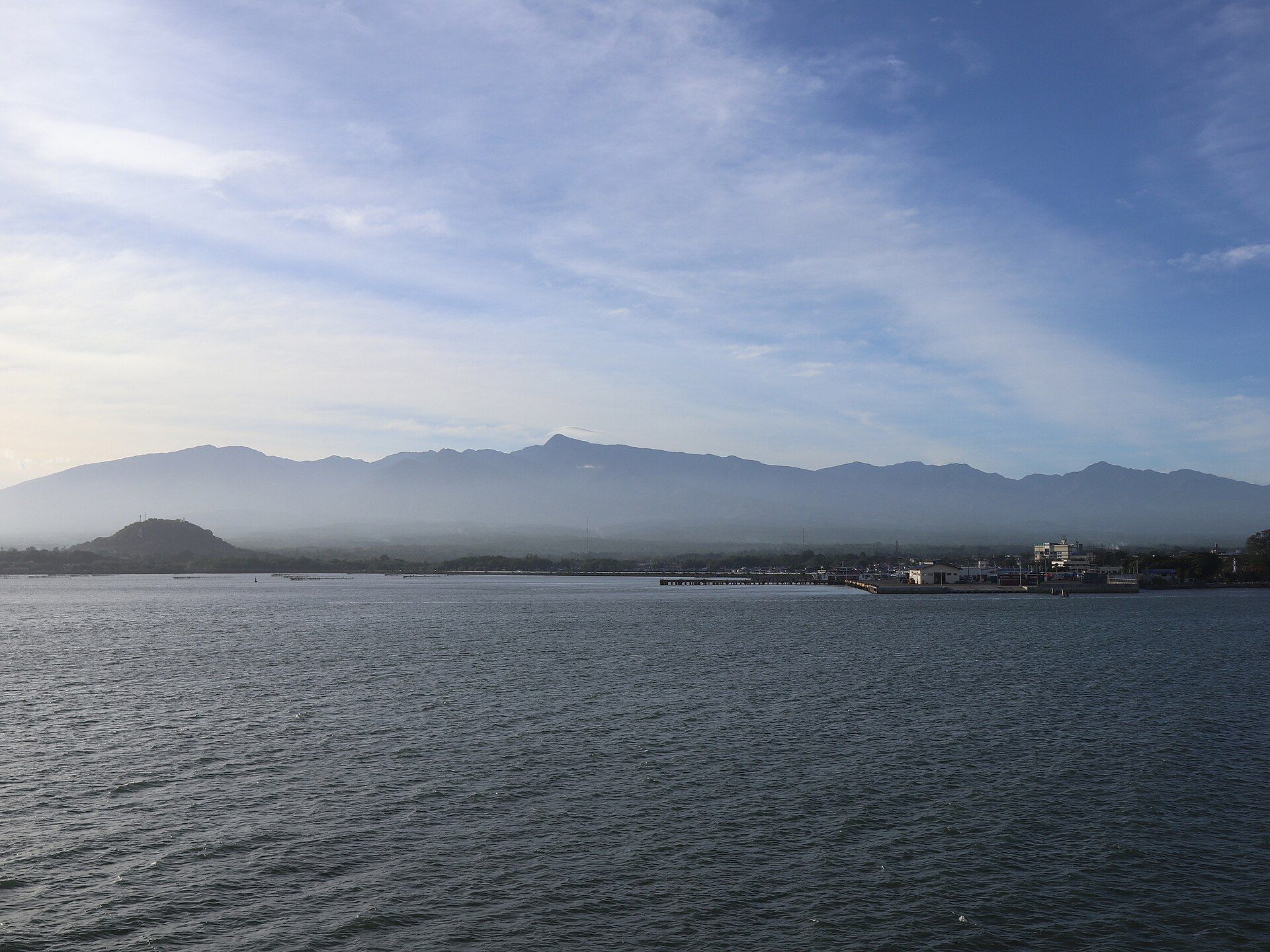
The rising star of Northern Mindanao. Maldives-inspired resorts, mountain adventures, historic towns, and food worth traveling for.
Your local guide to the province everyone is talking about.
Misamis Occidental is not just beautiful, it is booming. Here is why now is the time to visit, and to be found here.
The Maldives-inspired Asenso Misamis Occidental Recreation and Adventure Park in Sinacaban. Forty-nine hectares of ocean villas, a golf course, diving and more.
The province hosted Miss Universe Philippines 2026 preliminary events, pulling the attention of the whole country this way.
Airport modernization is underway, with talk of future direct international flights as investors arrive.
Local and foreign investors are betting on the province. Tourism and opportunity are rising together.
Three very different places, all within an hour of each other.
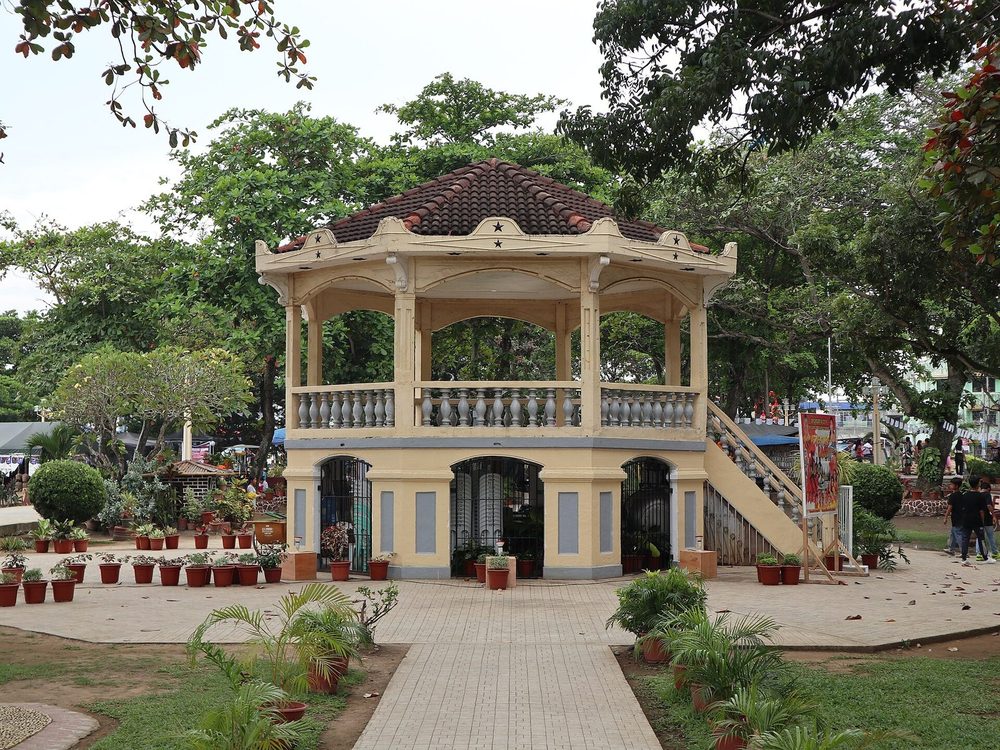
The Sunday tabuan for fresh seafood, City Plaza and bandstand, the 75-metre Ciriaco Pastrano Hanging Footbridge over the Layawan River, the Mobod mangrove sanctuary, Sibucal Hot Springs, Ambak-Ambak Falls and El Triunfo Beach.
Read the story →The town began life as Layawan, named for the river that still runs through it. In 1884, when it was granted township status, it was renamed Oroquieta after a village in Navarra, Spain, the birthplace of the Franciscan friar Tomás Casado who served as its first Spanish parish priest.
Casado built the convent, the school, the bridges, and the plaza kiosk that is still standing today. He called the place la pueblo de la buena vida, the town of the good life. More than a century later the city still trades on the phrase.
He left in 1898 during the Philippine Revolution. Oroquieta became the provincial capital on 6 January 1930, and in 1942 it served briefly as the capital of the Free Philippines, where President Quezon authorised the printing of the Mindanao emergency currency notes. Cityhood came under Republic Act 5518, inaugurated on the first day of 1970.
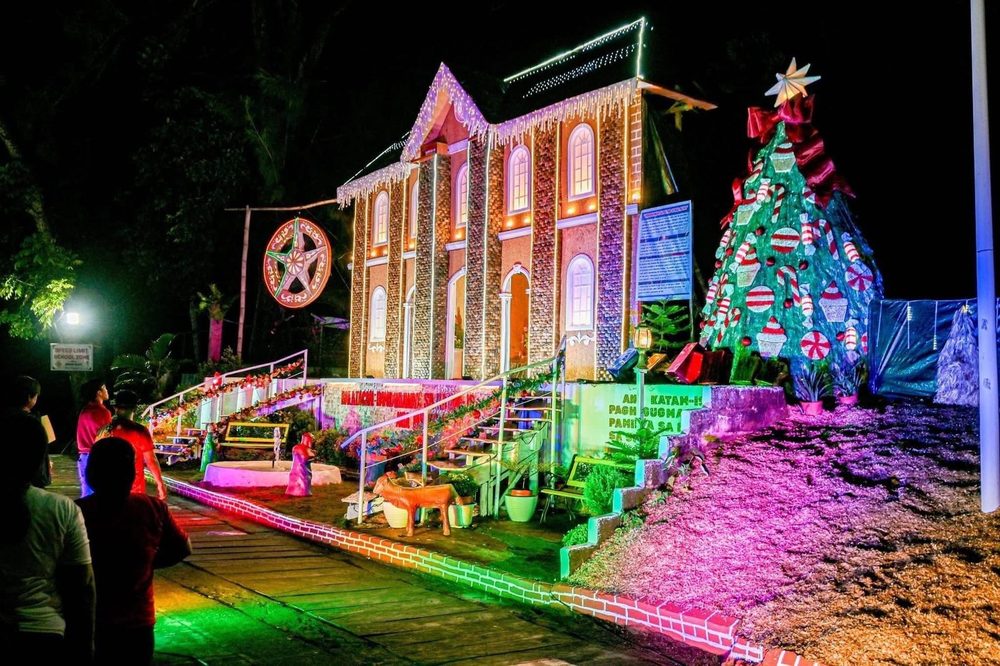
The month-long Festival of Lights, Hoyohoy Highland Adventure Park with its record-length zipline, Asenso Global Gardens, and Memorial Hill looking out over Panguil Bay.
Read the story →Spanish records list it only as the barrio of Tango. The name Tangub is usually traced to the Subanen word tangkub, a bark container for storing rice, though no one has ever proved it.
It was organised as the municipality of Regidor by executive order in December 1929, taking effect on the first day of 1930, the same day the province of Misamis Occidental itself came into being. It took the name Tangub later that year, and became a chartered city on 17 June 1967 under Republic Act 5131, the second city in the province.
What made it famous came much later. Every December the city covers itself in light, and the month-long Festival of Lights has earned it the title Christmas Symbols Capital of the Philippines. Since 2024 it has also been the province's road link to the rest of Mindanao: the 3.77-kilometre Panguil Bay Bridge lands here.
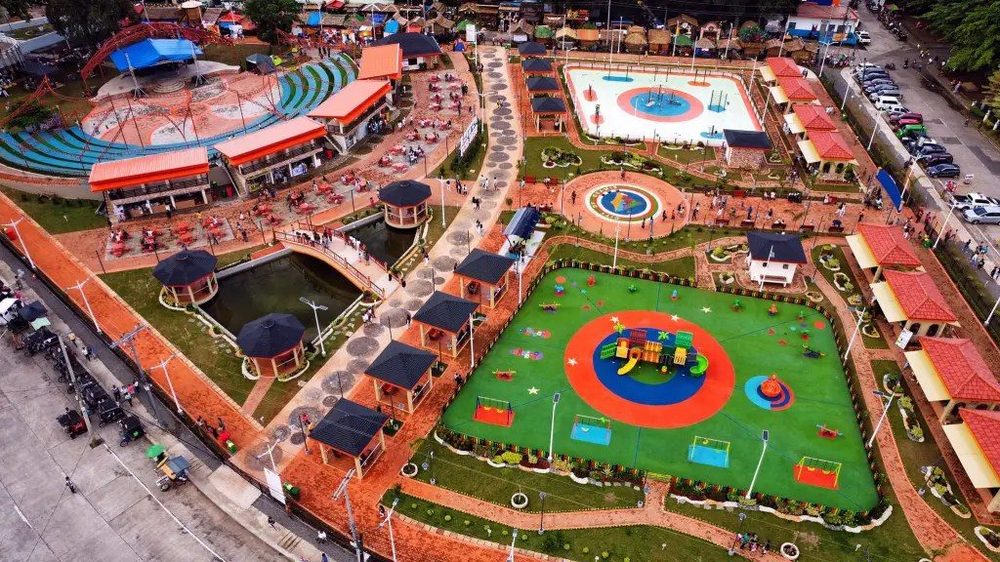
The 55-foot Christ the Redeemer Statue, the Asenso Wellness Park, and the Spanish-era Cotta Fort on the bay. Where most visitors arrive by ferry or by air.
Read the story →For most of its history this city was called Misamis, and it is where the province got its name. The word is thought to come from the Subanon kuyamis, a variety of coconut.
In 1756 the Jesuit José Ducos built a fort at the mouth of Panguil Bay, the Fuerte de la Concepción y del Triunfo, to hold off raiders coming across from Lanao. Its coral stone walls are still standing, and everyone here just calls it the Cotta.
After the war the town was chartered as a city under Republic Act 321 on 16 July 1948, the fourth city in Mindanao after Zamboanga, Davao and Marawi. The charter also renamed it Ozamiz, for José Ozámiz, the province's first governor and later a senator.
The harbour that made it worth defending still does the same work. Ozamiz port is the principal outlet for the region's minerals and produce, and for most visitors it is the front door to the province.
Beaches, a heritage mountain range, Spanish stone walls and one of the biggest light festivals in the country.
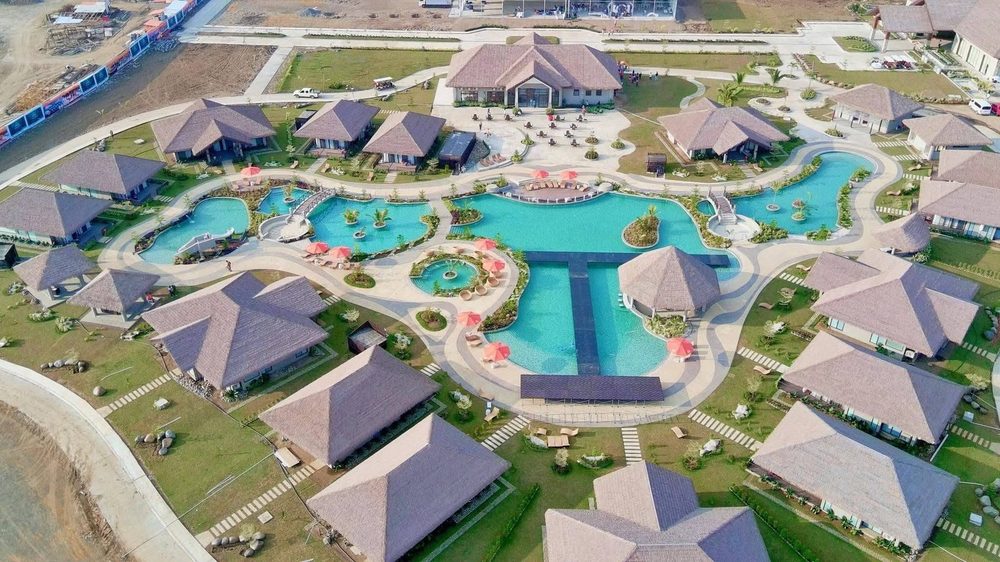
The Maldives-inspired Asenso Misamis Occidental Recreation and Adventure Park. 49 hectares of ocean villas, a golf course and diving.
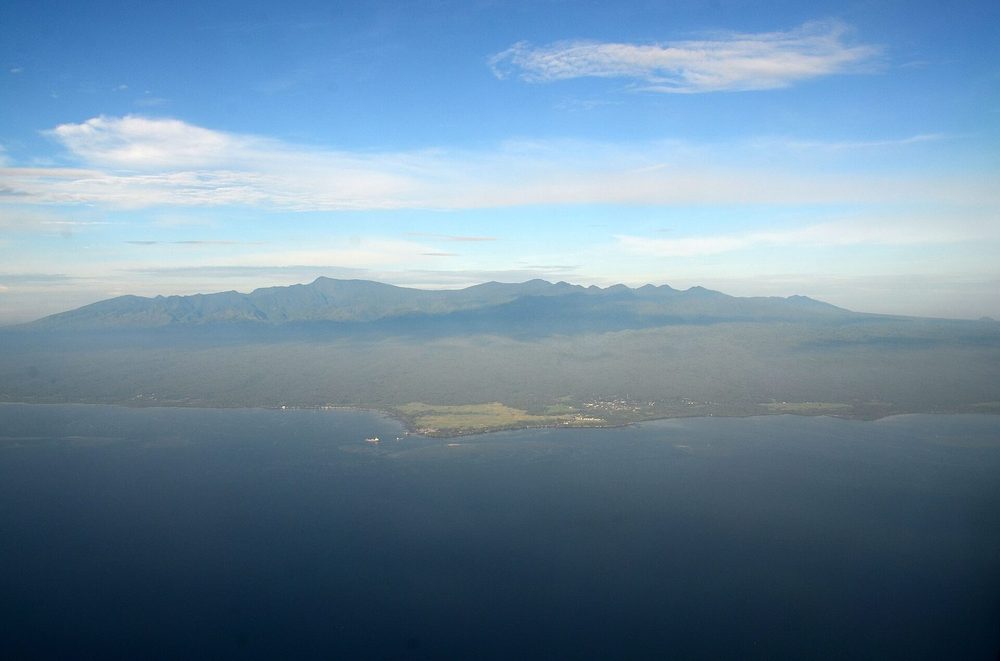
An ASEAN Heritage Park. Cloud forest, Subanen highlands and the province's roof.
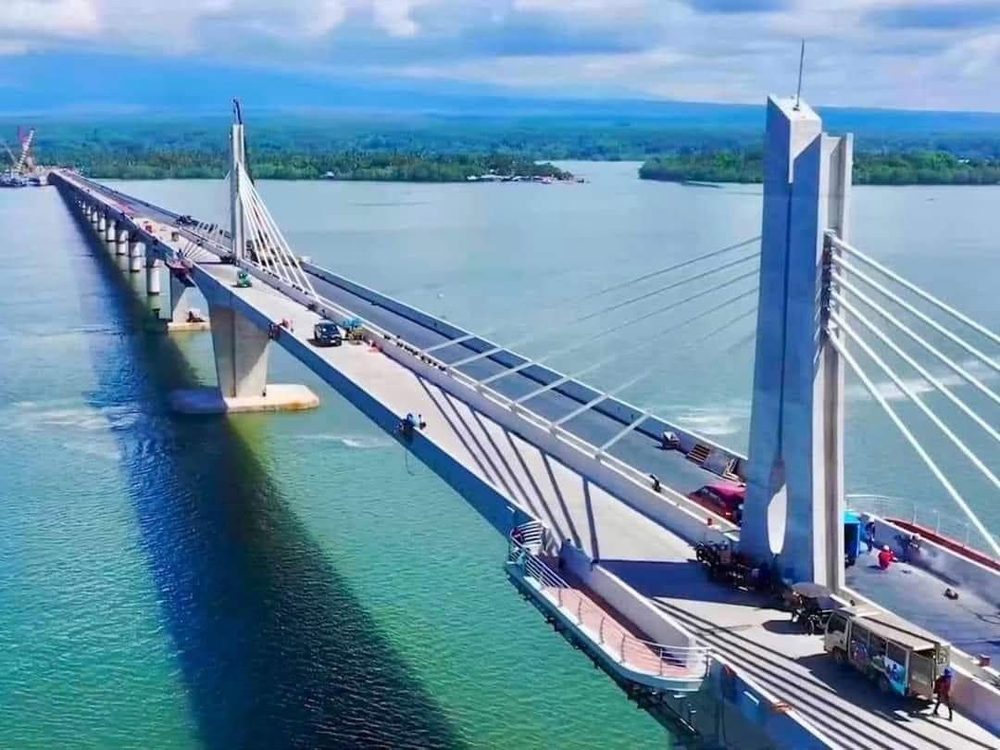
The cable-stayed crossing that opened in 2024 and turned an hour on the ferry into a few minutes by road.
Lagoon, playgrounds and food pavilions in the middle of the city, with the 55-foot Christ the Redeemer statue looking over it.
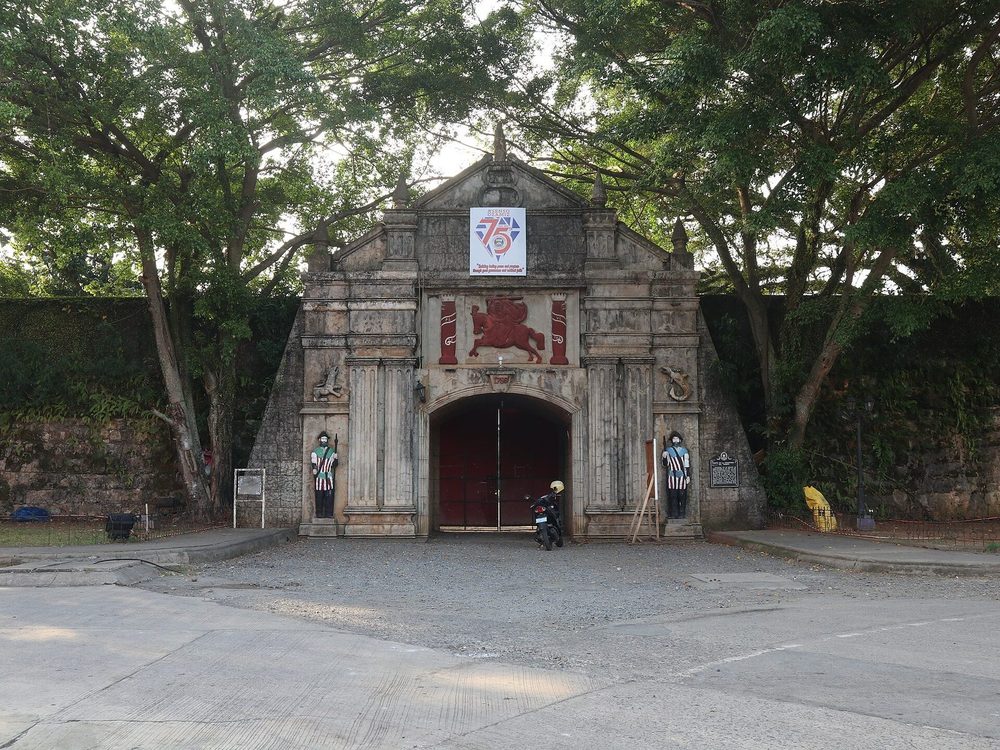
Spanish-era coral stone walls on the bay, built to hold off raiders. Home of the Birhen sa Cotta shrine.
A month of light displays that earned Tangub the title Christmas Symbols Capital of the Philippines.
Ziplines, cable cars and a view down over Panguil Bay from the ridge.
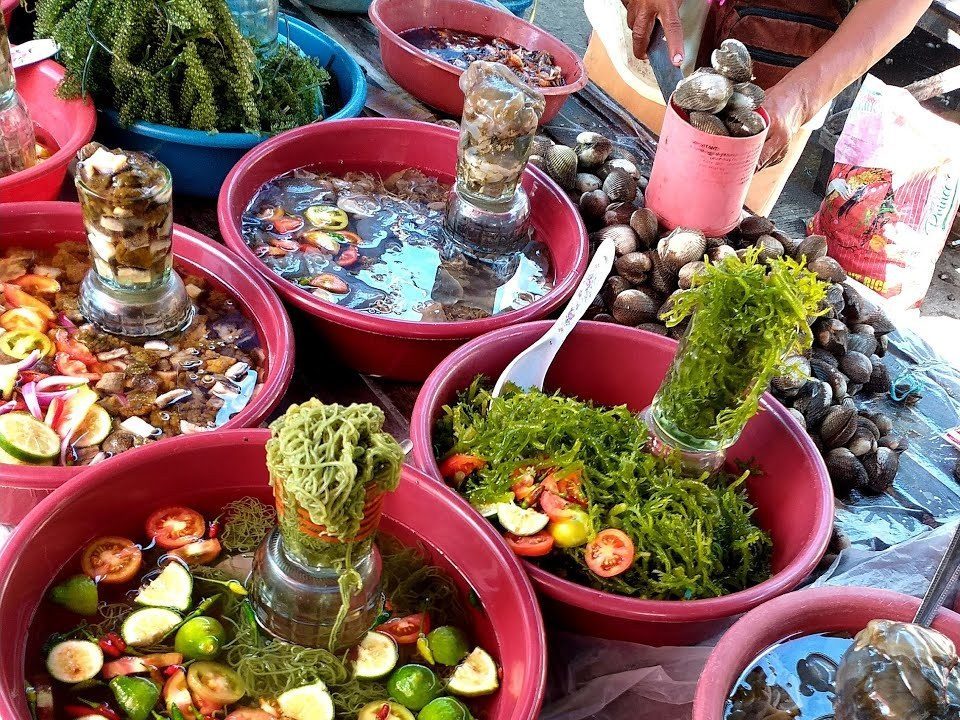
The Sunday market. Fresh seafood cooked in front of you, local delicacies, and the whole town out buying the week's food.
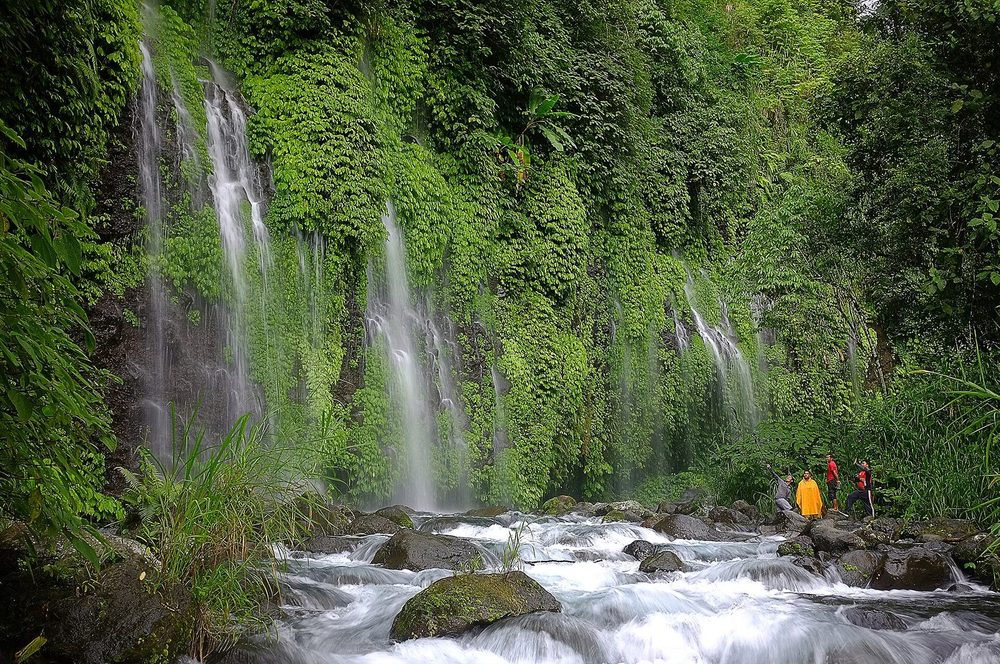
A wide sheet of water falling off the Malindang range. Cold, clear and barely crowded.
The capital's heart. Bandstand, old trees and the Provincial Capitol park across the road.
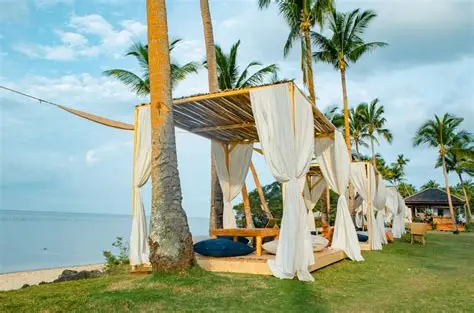
White sand and shallow water off the Plaridel coast, with boats out to the sandbars.
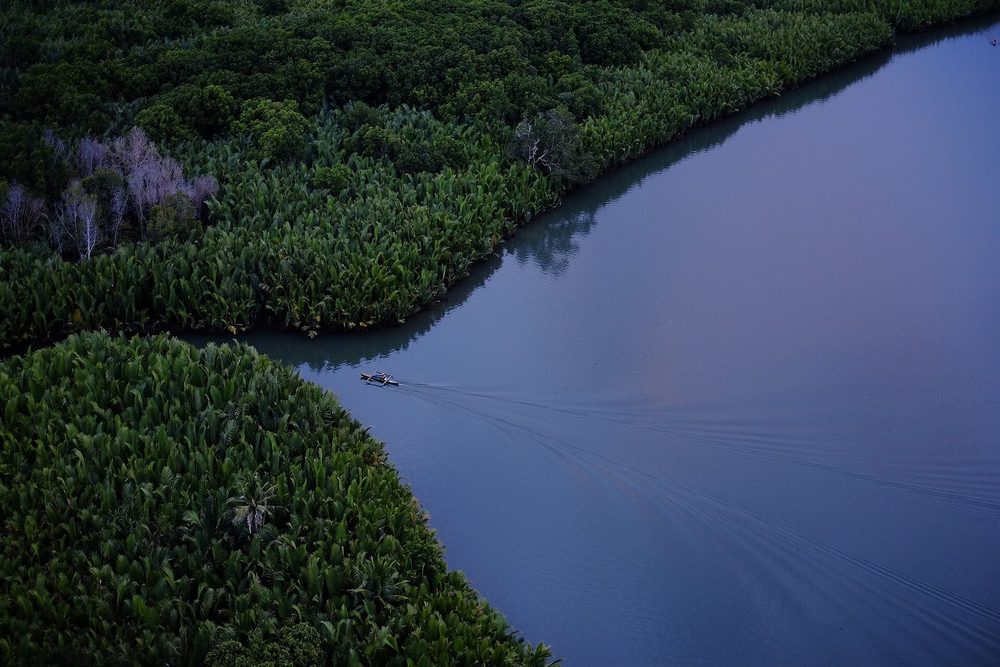
Mangrove forest, a marine sanctuary and reef on the northern tip of the province. Quiet, and protected for a reason.
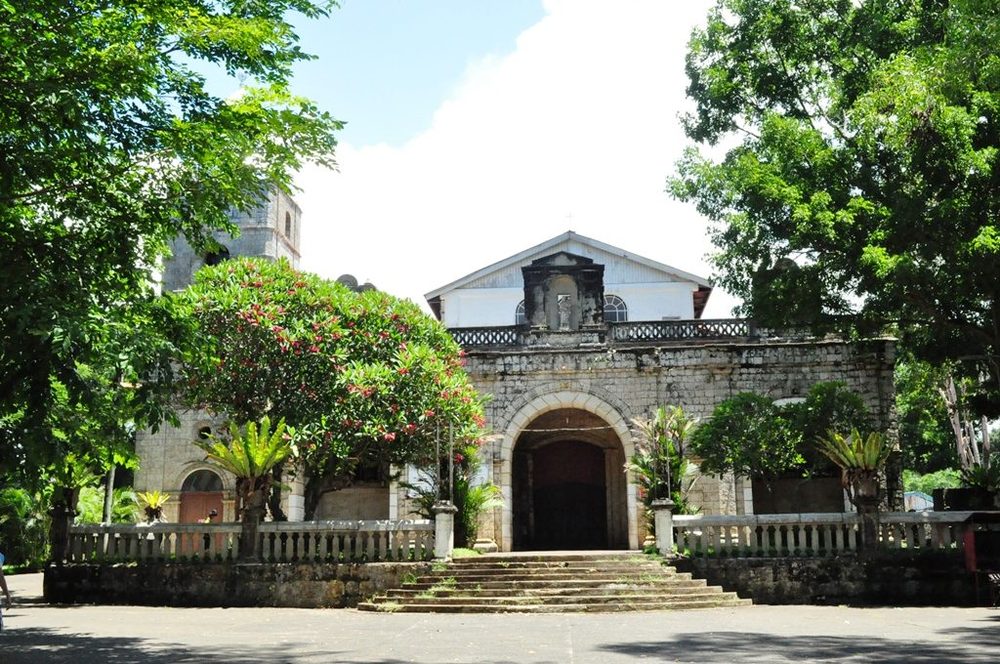
One of the province's oldest churches, still the centre of the old town.
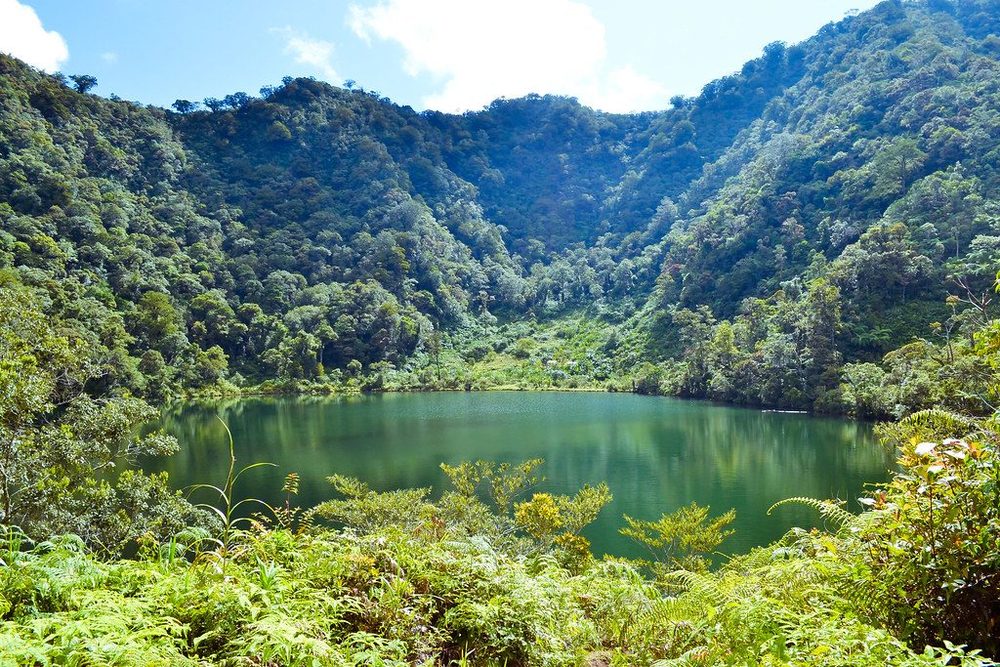
A sacred crater lake high in the Malindang range, held holy by the Subanen.
Where do we eat? Go to the Sunday tabuan in Oroquieta, where the seafood is cooked in front of you. Try Clarin's famous suman, seventeen flavours of it. Then the local specialties you will not find anywhere else in Mindanao.
The restaurants and cafés listed here are real local businesses, not scraped listings. Every one of them has a working website you can check before you go.
Local shops, restaurants, resorts and services, all in one directory, all with real websites you can check before you go.
Explore Local BusinessesYour own website, built and hosted for you, plus your listing in this directory. No setup fee, no contract, no tech skills needed.
List My Business₱199 a month · less than ₱7 a day